

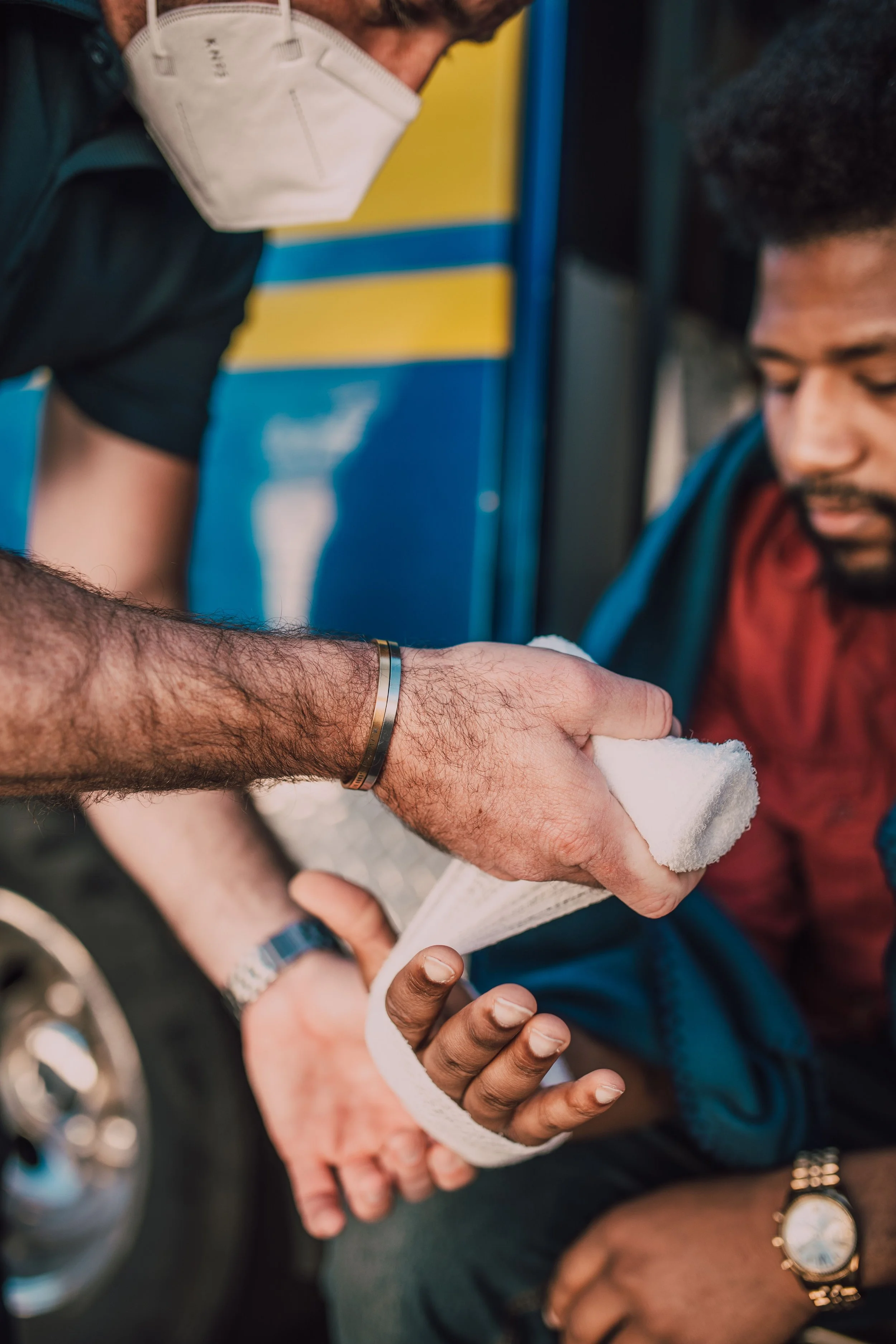
Trauma Care & Emergency Response Training
Medical emergencies can happen anywhere. Integrated Security Group provides hands-on trauma care training that equips employees, staff, and community members with the skills and confidence to respond to life-threatening injuries until professional medical help arrives.
Prepare people to respond when every second counts.
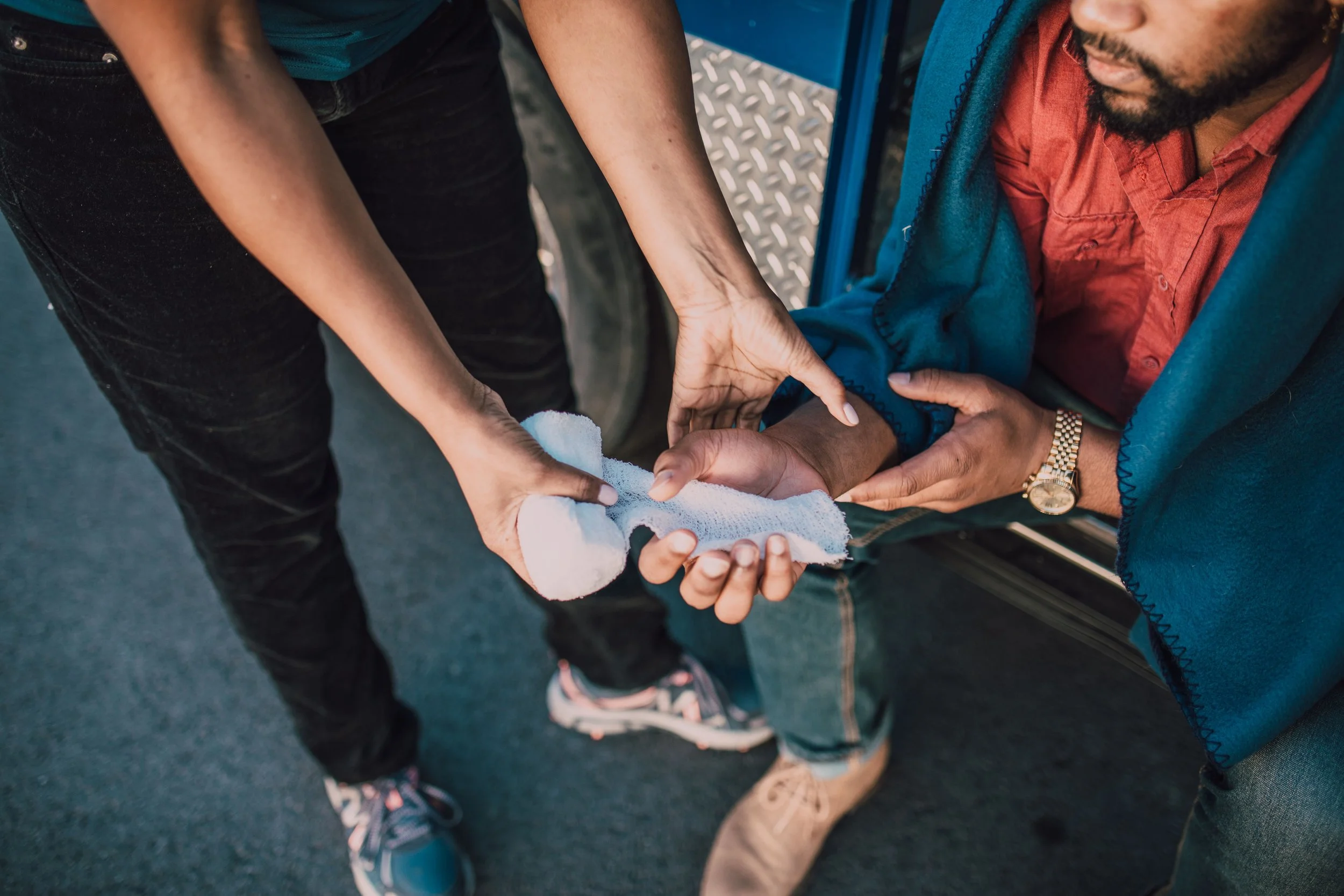
Why Does Trauma Care Training Matter?
In a medical emergency, immediate action can make a critical difference. Whether responding to severe bleeding, traumatic injuries, or other life-threatening situations, properly trained individuals can provide lifesaving care while waiting for emergency responders.
Trauma care training helps organizations:
Improve emergency preparedness
Build confidence during high-stress situations
Strengthen emergency response capabilities
Support a safer workplace, school, or community
Equip staff with practical, lifesaving skills
The first few minutes can save a life.
What Does ISG’s Trauma Care Training Include?

Who Should Attend Trauma Care Training?
Your Questions, Answered
-
The first few minutes after a traumatic injury are often the most critical. Trauma care training equips participants with the knowledge and practical skills to provide immediate care, helping stabilize an injured person until emergency medical services arrive.
-
No. Training is designed for individuals with little or no medical background while also providing valuable refresher training for experienced responders.
-
Yes. ISG emphasizes practical, hands-on instruction that allows participants to practice techniques using training equipment and realistic scenarios.
-
Absolutely. ISG tailors training to your organization's industry, workplace environment, risks, and emergency response procedures.
-
Trauma care training complements your organization's emergency response plan by preparing employees to take immediate action during a medical emergency. It helps reduce response time, improve coordination, and increase confidence when every second matters.